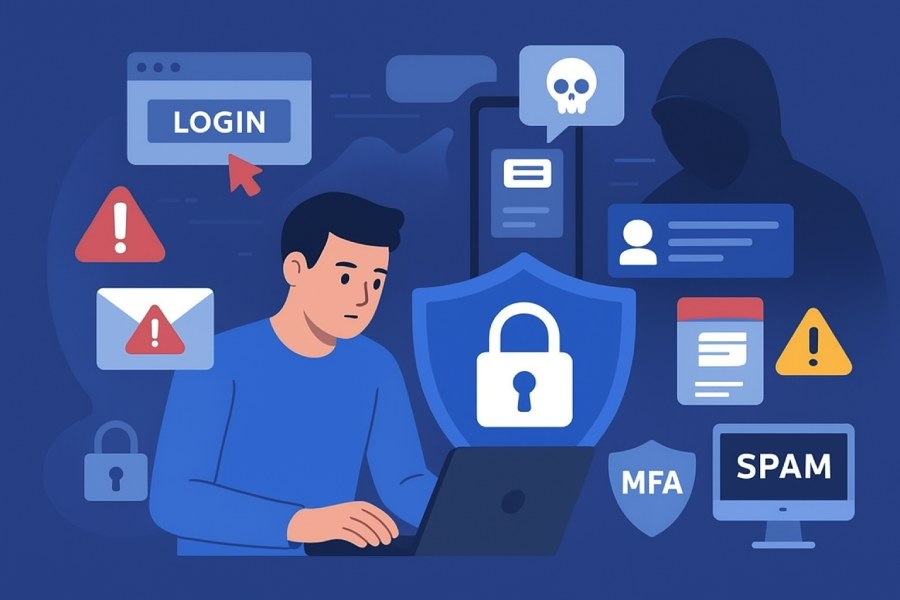
Phishing emails remain the most prevalent vehicle used by cybercriminals to compromise both consumer and enterprise accounts. Using highly deceptive methods, attackers craft messages designed to steal your personal information, bank information, and credentials such as passwords or membership card details. Their objective is often identity theft or financial gain, and the techniques they
Cold outreach gets a bad reputation. IT administrators flag it as spam. Email security systems block it aggressively. Recipients delete it without reading.
At its core, a phishing attack is a form of cybercrime where scammers masquerade as trustworthy entities to manipulate individuals into revealing sensitive data such as personal information, account numbers, and bank information. The ultimate goals of a phishing scam are to commit identity theft, gain unauthorized access to accounts, or steal financial information
Phishing attacks continue to top the list of email threat types, exploiting human error, social engineering, and technical vulnerabilities. While email remains an indispensable business tool, it is also a vehicle for a wide spectrum of cyberattacks—ranging from generic spam and malware distribution to targeted impersonation attacks, business email compromise (BEC), and credential theft.
Shopping seasons have always been a vulnerable point of time when cybercrooks love to attack businesses and individuals left, right, and center. 28th November marked the beginning of the much-awaited Black Friday sales around the globe across big and small brands. Shopaholics wait throughout the year for this sale to grab the best possible
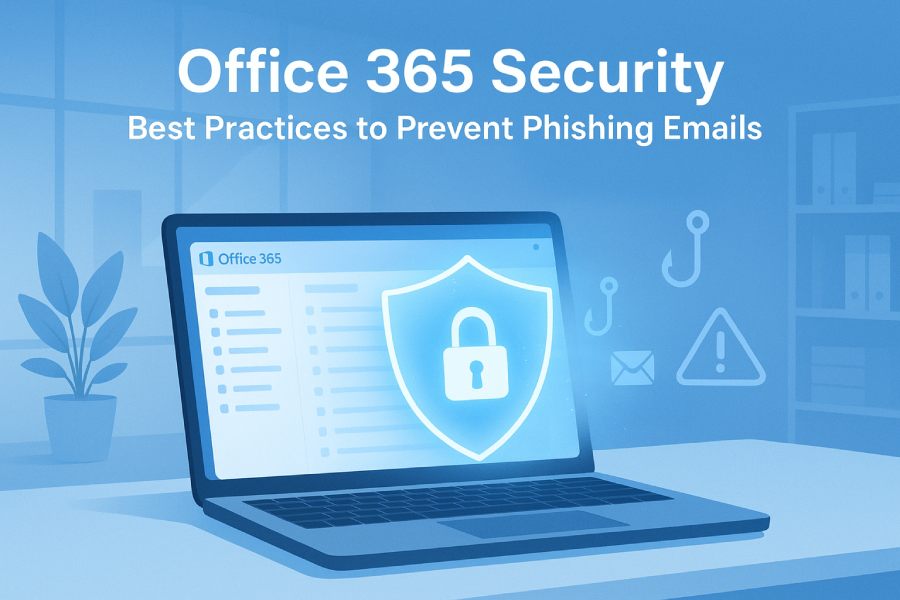
Phishing continues to be the leading attack vector against today’s cloud organizations, exploiting the trust of users to achieve credential theft, business compromise, and data breach. Within Office 365 environments, phishing attacks are particularly menacing due to the platform’s integration with critical tools like Exchange Online, Microsoft Teams, and OneDrive. Cybercriminals increasingly tailor attack
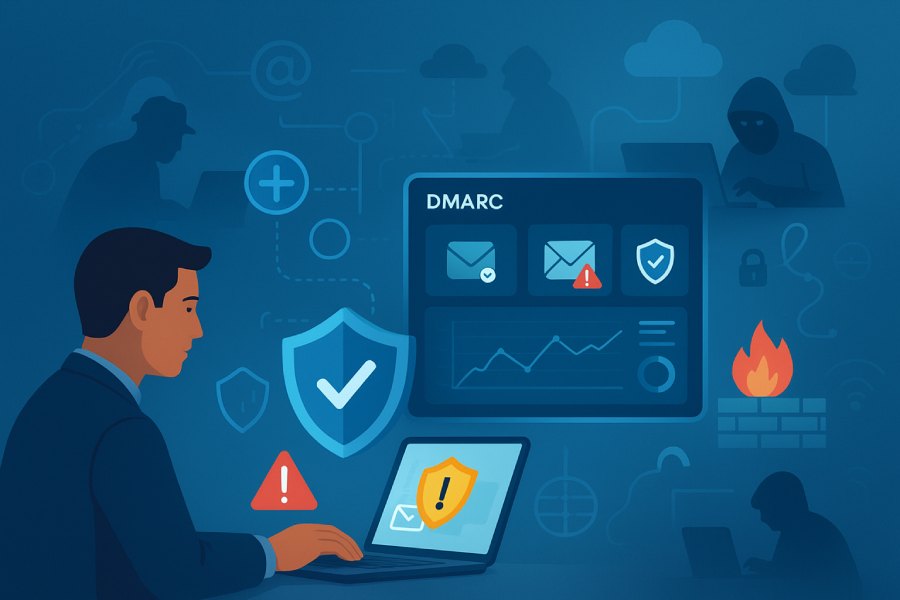
Anti-phishing protection is a critical cybersecurity feature integrated into modern security suites, email platforms, and dedicated gateway solutions. The core objective is to detect, block, and neutralize phishing attacks—deceptive attempts by attackers to steal sensitive information, compromise credentials, or deliver malware. Effective anti-phishing modules leverage advanced threat protection mechanisms, such as machine learning detection,
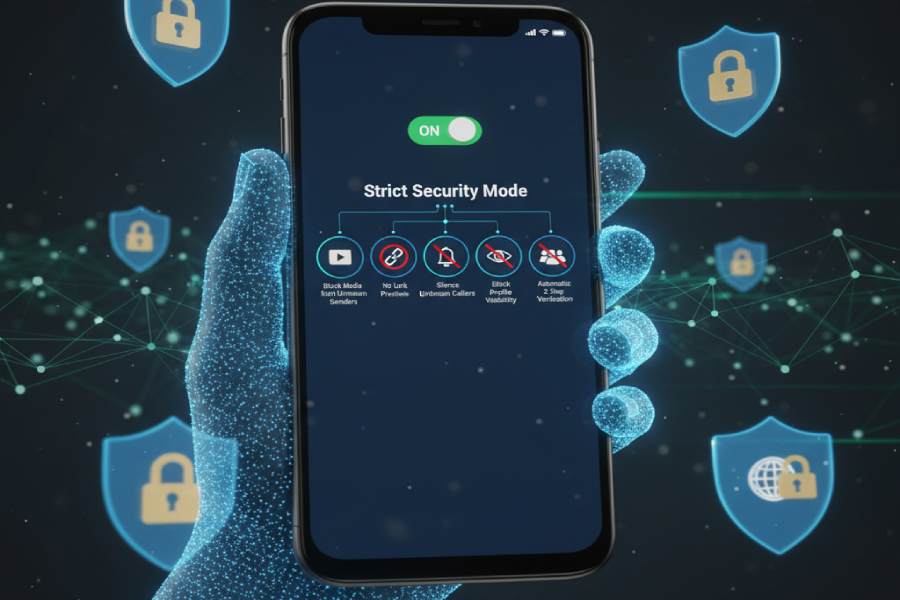
Cybercrooks are getting smarter with one cyberattack at a time. So, WhatsApp, one of the most widely used messaging apps worldwide, has decided to ramp up its security to protect its users from cyber incidents. WhatsApp is all set to launch one of its biggest security updates ever— a “strict security mode.” The feature
Spear phishing represents one of the most sophisticated and targeted forms of phishing attacks in the cybersecurity landscape. Unlike broad phishing campaigns, spear phishing is a highly focused tactic where threat actors tailor the attack to a specific individual or organization. This personalized approach increases the likelihood of success, making spear phishing a significant