
How Modern Marketers Can Work with Cold Outreach: The Right Way to Use Contact Databases
Cold outreach gets a bad reputation. IT administrators flag it as spam. Email security systems block it aggressively. Recipients delete it without reading.

Cold outreach gets a bad reputation. IT administrators flag it as spam. Email security systems block it aggressively. Recipients delete it without reading.
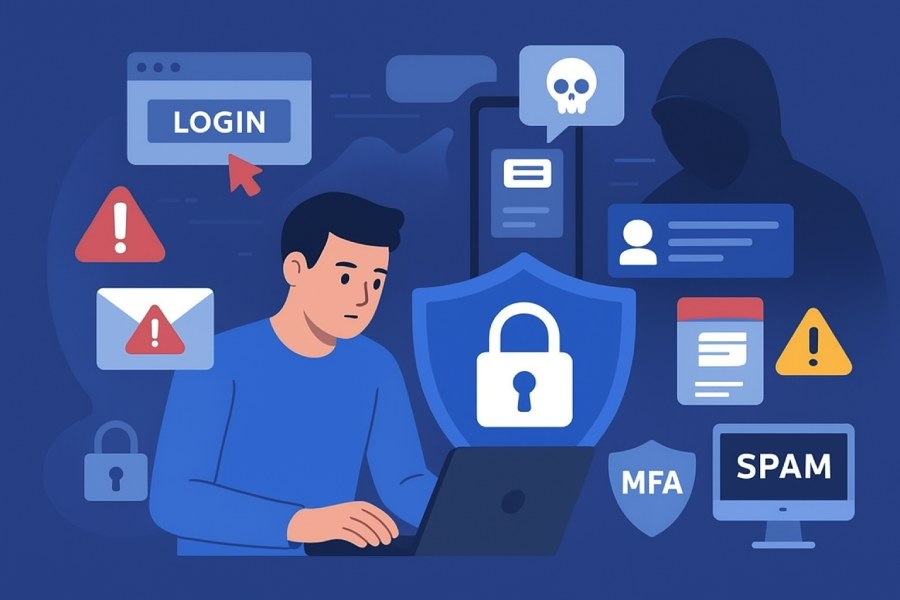
At its core, a phishing attack is a form of cybercrime where scammers masquerade as trustworthy entities to manipulate individuals into revealing sensitive data such as personal information, account numbers, and bank information. The ultimate goals of a phishing scam are to commit identity theft, gain unauthorized access to accounts, or steal financial information
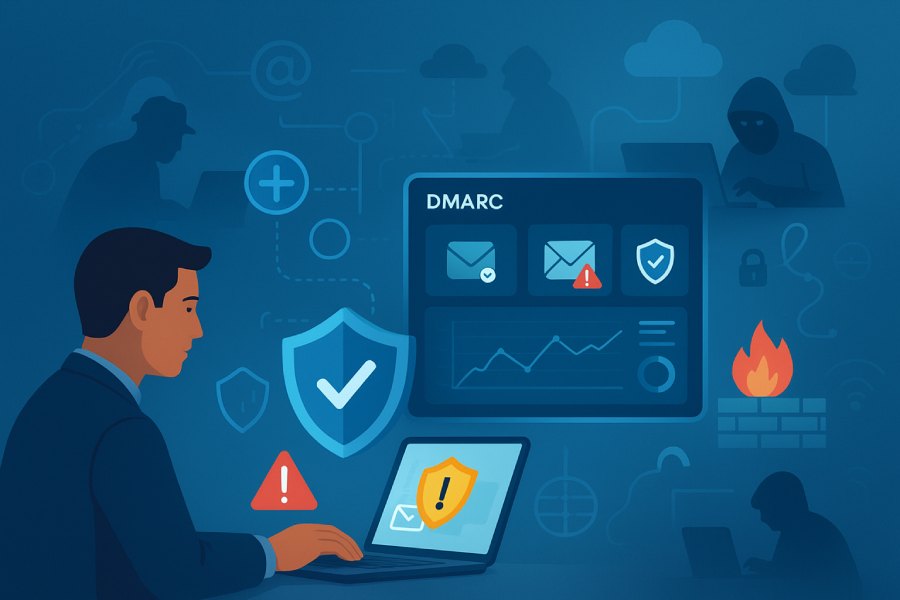
Phishing attacks continue to top the list of email threat types, exploiting human error, social engineering, and technical vulnerabilities. While email remains an indispensable business tool, it is also a vehicle for a wide spectrum of cyberattacks—ranging from generic spam and malware distribution to targeted impersonation attacks, business email compromise (BEC), and credential theft.
Shopping seasons have always been a vulnerable point of time when cybercrooks love to attack businesses and individuals left, right, and center. 28th November marked the beginning of the much-awaited Black Friday sales around the globe across big and small brands. Shopaholics wait throughout the year for this sale to grab the best possible
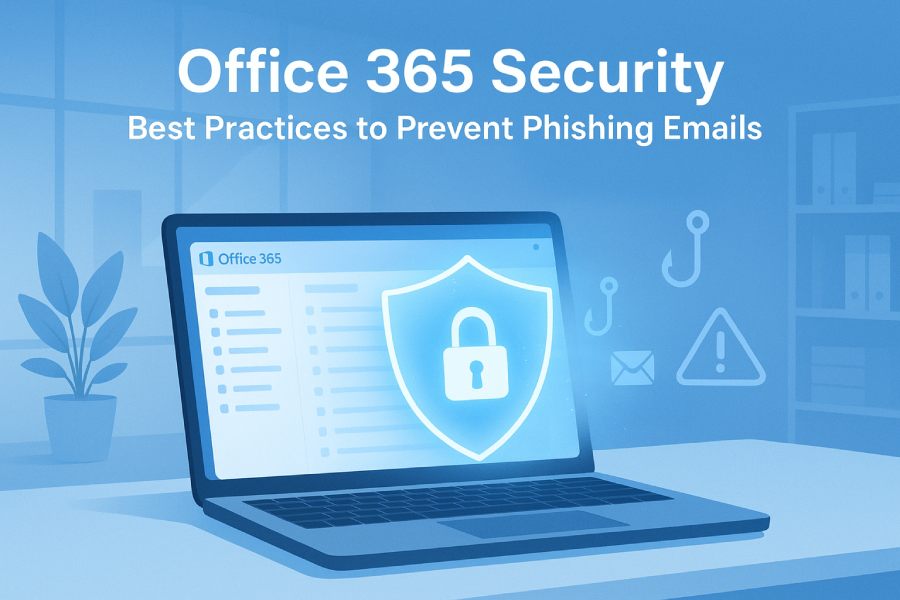
Phishing continues to be the leading attack vector against today’s cloud organizations, exploiting the trust of users to achieve credential theft, business compromise, and data breach. Within Office 365 environments, phishing attacks are particularly menacing due to the platform’s integration with critical tools like Exchange Online, Microsoft Teams, and OneDrive. Cybercriminals increasingly tailor attack

Anti-phishing protection is a critical cybersecurity feature integrated into modern security suites, email platforms, and dedicated gateway solutions. The core objective is to detect, block, and neutralize phishing attacks—deceptive attempts by attackers to steal sensitive information, compromise credentials, or deliver malware. Effective anti-phishing modules leverage advanced threat protection mechanisms, such as machine learning detection,
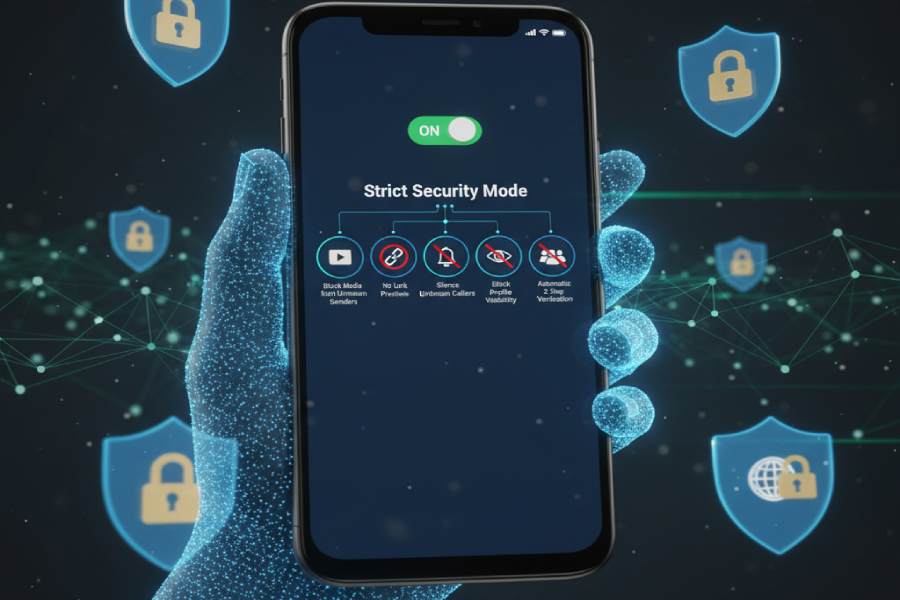
Cybercrooks are getting smarter with one cyberattack at a time. So, WhatsApp, one of the most widely used messaging apps worldwide, has decided to ramp up its security to protect its users from cyber incidents. WhatsApp is all set to launch one of its biggest security updates ever— a “strict security mode.” The feature
Spear phishing represents one of the most sophisticated and targeted forms of phishing attacks in the cybersecurity landscape. Unlike broad phishing campaigns, spear phishing is a highly focused tactic where threat actors tailor the attack to a specific individual or organization. This personalized approach increases the likelihood of success, making spear phishing a significant

In a shocking turn of events, cybercriminals have started to blur the lines between the digital and physical worlds. Hackers are no longer restricted to just digital data. They are now abusing remote computer tools to steal actual physical cargo from freight companies and trucks.

Phishing remains one of the most pervasive cyber threats today, as cybercriminals continually refine their tactics to trick individuals and organizations into surrendering sensitive data such as personal information, credit card numbers, bank information, and passwords. Understanding phishing, its variations, and the robust anti-phishing strategies available is crucial in safeguarding digital environments. This article
A zero-day vulnerability refers to a previously unknown security flaw in software or hardware that has not yet been addressed by the vendor through a security patch. Because these vulnerabilities lack any known remedy at the time of discovery, they pose a significant cybersecurity threat, often exploited by threat actors before organizations can perform
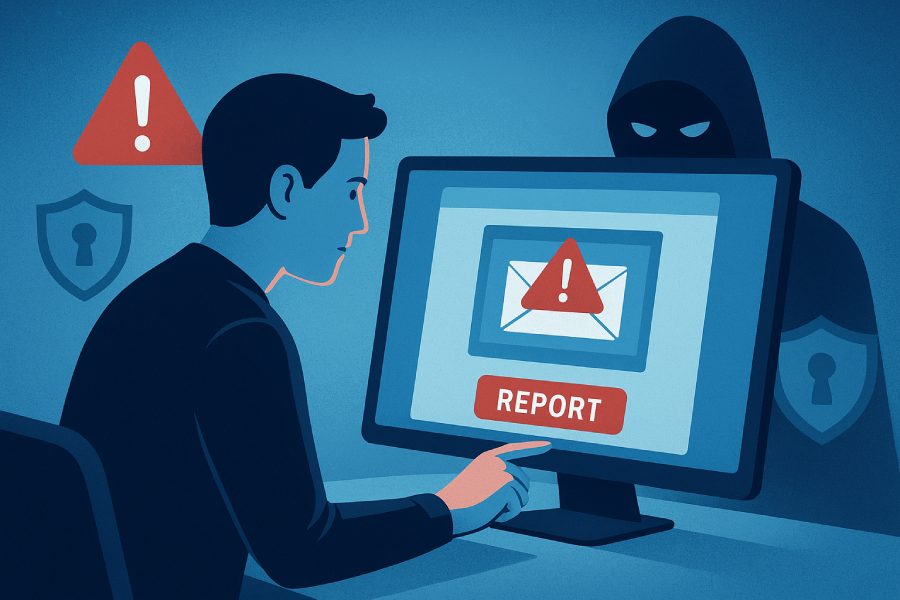
Phishing attacks represent one of the most pervasive threats in modern cybersecurity, exploiting human psychology through social engineering to deceive individuals into divulging sensitive information. Cybercriminals orchestrate email fraud and online scams that often mask themselves behind trusted brands or well-known institutions. These fraudulent emails or messages employ spoofing techniques, phishing URLs, and domain
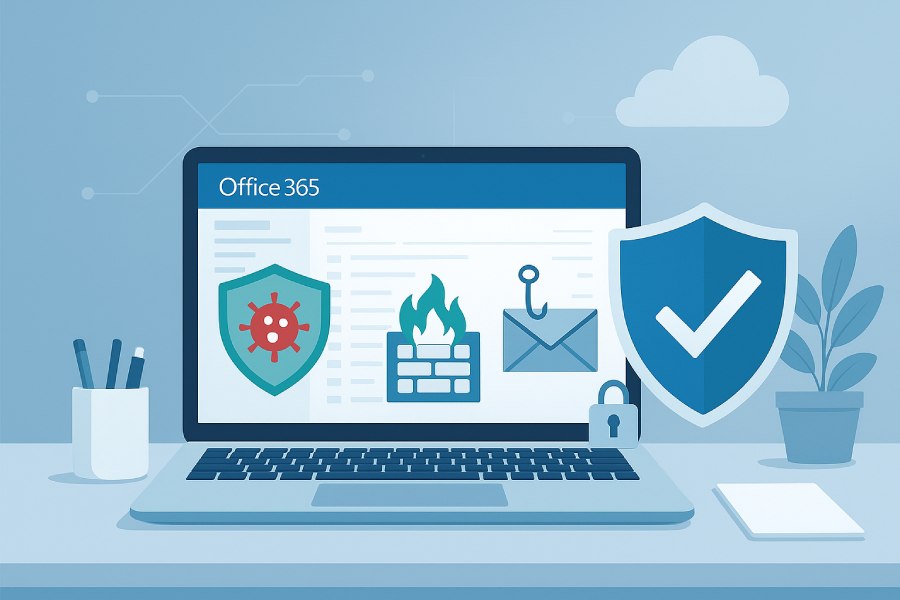
In today’s cybersecurity landscape, email security stands as a critical component of enterprise defense, particularly for organizations utilizing the Office 365 platform. Office 365, powered by Microsoft, is a robust cloud service that integrates email, productivity tools, and collaboration solutions. However, its widespread adoption also makes it a prime target for cyberattacks such as
It is finally October, the time when the entire world comes together to discuss a topic that is quietly affecting our everyday lives—Cybersecurity Awareness. CISA (Cybersecurity and Infrastructure Security Agency) and NCSA (National Cyber Security Alliance) launched this initiative together. Cybersecurity awareness month is celebrated in October every year, as it reminds us of
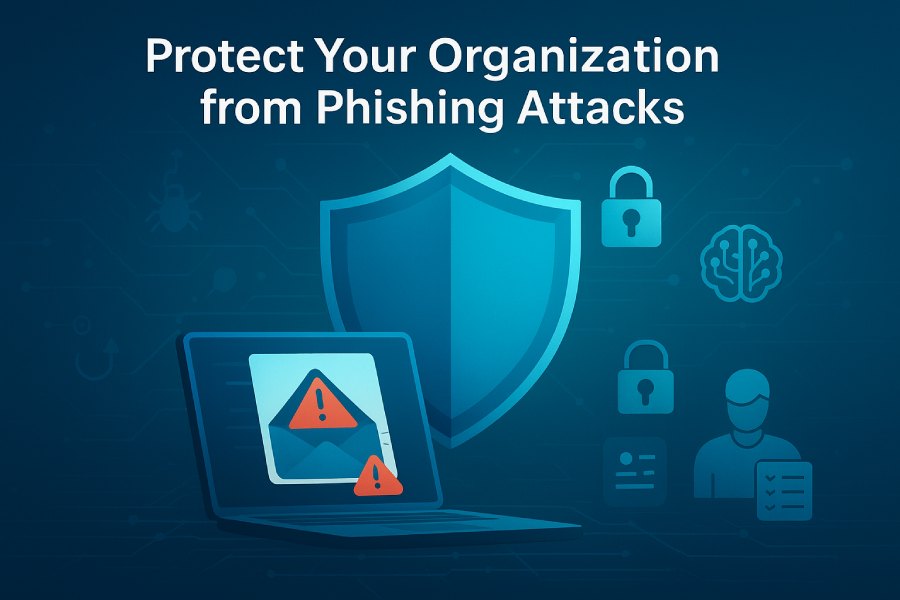
Phishing represents one of the most pervasive and damaging cyber attack vectors today, targeting individuals and organizations alike to steal sensitive data, compromise digital identities, and facilitate fraud. These attacks manifest primarily as deceptive emails, fraudulent websites, or even text messages designed to lure victims into divulging credentials, clicking malicious links, or downloading malware.
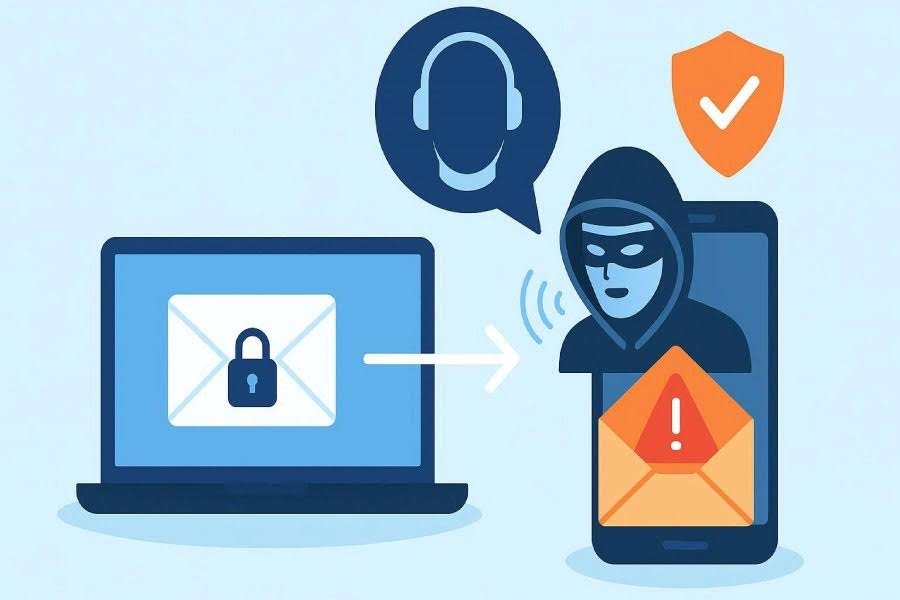
A group of researchers believes that AI-based voice impersonation can enhance social engineering tactics and make them sound more perfect and convincing. AI voice cloning has the ability to minimize the difference between reality and artificiality. Threat actors can misuse this AI-backed voice cloning technology to target organizations, their employees, and the general public.
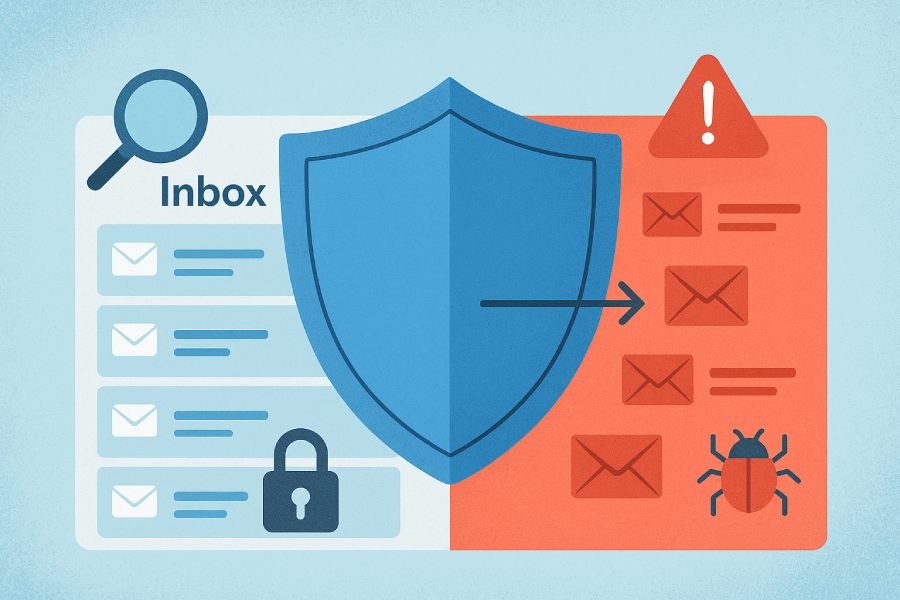
Email phishing remains one of the most prevalent threats in the cyber threat landscape, targeting individuals and organizations alike through deceptive tactics aimed at email fraud and credential harvesting. At its core, phishing involves cybercriminals masquerading as legitimate entities via email messages, persuading recipients to divulge sensitive information or deploy malicious payloads such as
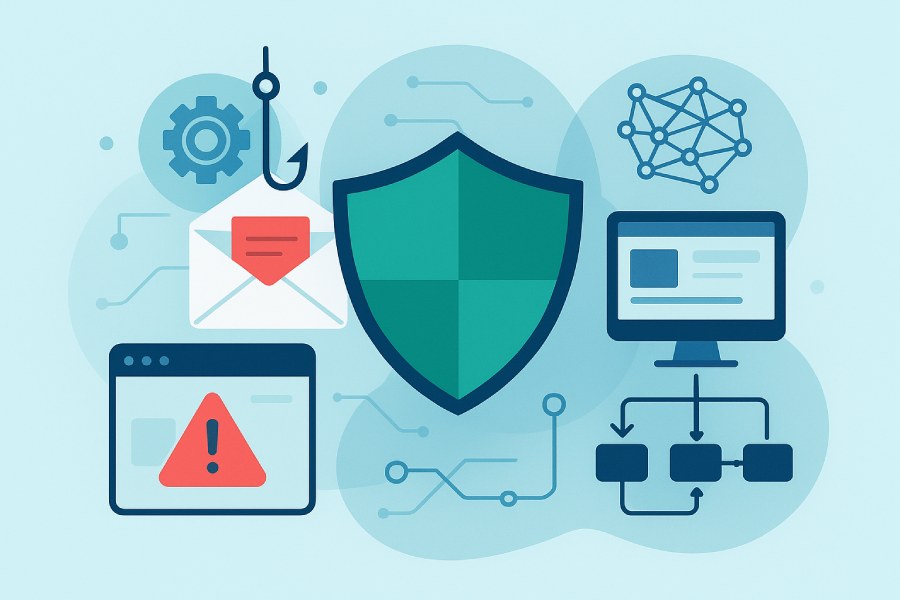
Phishing is a sophisticated form of cyberattack where malicious actors attempt to deceive individuals into divulging sensitive information such as login credentials, financial details, or personal data. These attacks commonly employ email as a vector, making phishing detection and email filtering critical components of modern cybersecurity protocols. The impact of phishing extends beyond mere
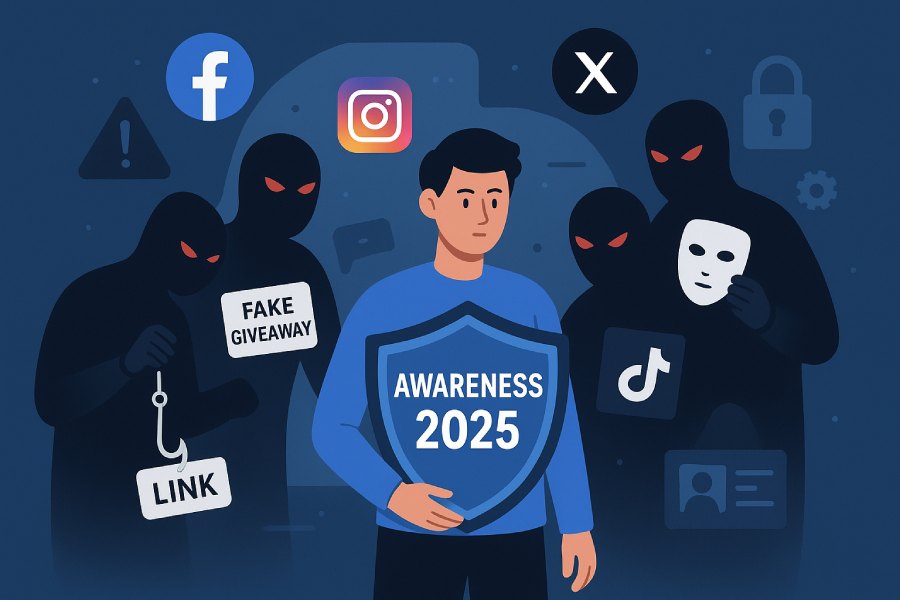
Social media has become intricately woven into our everyday lives. We use it to keep in touch with friends and family, make new connections, and stay updated on current trends and news.
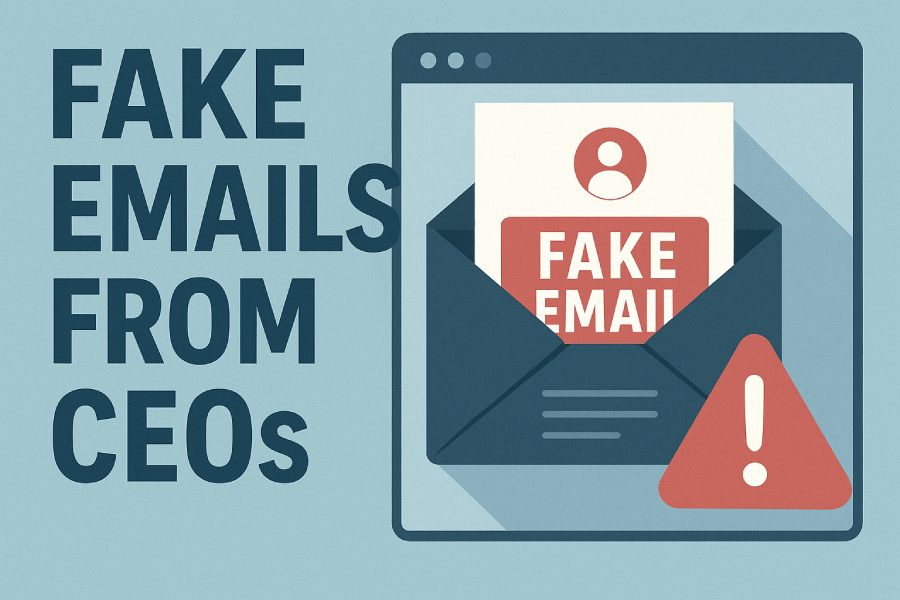
In today’s digital communication landscape, leadership communication via email is central to corporate operations. However, this vital channel has increasingly become a target for cybercriminals aiming to exploit trust and authority within organizations. Executive emails, especially messages that appear to emanate from a CEO or senior management, are frequently imitated in scams designed to