

A zero-day attack occurs when threat actors exploit a previously unknown vulnerability in software, hardware, or firmware—one for which no patch or fix has been made available by manufacturers or vendors. These attacks are especially dangerous because organizations lack prior knowledge and defensive measures against them, allowing adversaries to bypass traditional network security systems and controls. The stealthy nature of a zero-day attack increases risk, as these vulnerabilities are frequently used as initial access vectors for more devastating threats such as ransomware, data exfiltration, or business disruption.
For businesses, the consequences of a successful zero-day attack can be severe. Intellectual property theft, reputational damage, regulatory noncompliance, and operational downtime are all plausible outcomes. The complex digital infrastructure that modern enterprises rely on—including cloud services, APIs, and connected devices—expands the attack surface and increases the urgency for effective zero-day attack prevention strategies.
The Evolving Threat Landscape for Businesses
The frequency and sophistication of zero-day attacks are rising precipitously. As organizations accelerate cloud adoption, enable remote workforces, and integrate third-party applications, their exposure to advanced threats grows. Modern adversaries leverage automation, generative AI security, and collaborative ecosystems on the dark web to identify and weaponize vulnerabilities faster than ever before. Tools such as next-generation firewalls and endpoint protection suites are necessary, but not sufficient alone, to counter these evolving risks.
Security providers such as Check Point Software Technologies and Cynet have responded by introducing advanced solutions designed to deliver proactive detection, threat prevention, and dynamic coverage for unknown exploits. The Infinity Platform with Quantum and Maestro Hyperscale enables large enterprises to combine cloud security with on-premises defense capabilities, orchestrating rapid containment for emerging zero-day threats.
The most effective zero-day attack prevention programs now emphasize a multi-layered approach, combining threat intelligence sharing, continuous vulnerability assessment, and unified platform management to address the full attack lifecycle—from initial reconnaissance to resolution.
Common Entry Points and Attack Vectors
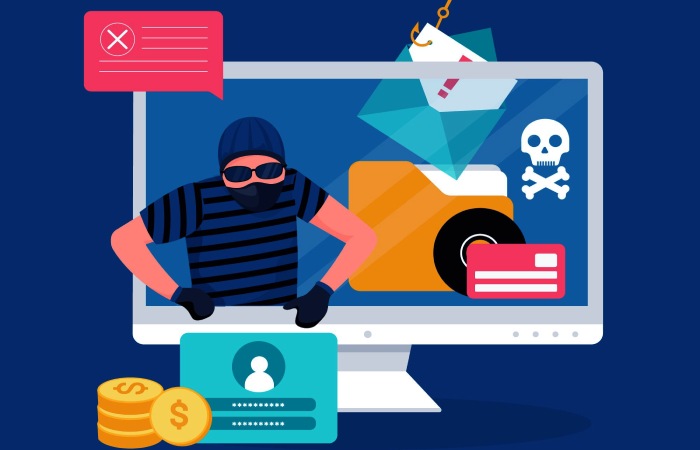
Zero-day attacks exploit the weakest link in an organization’s digital defense. Common entry points include unpatched operating systems, outdated browsers, and exposed internet-facing services. Web application security flaws, such as SQL injection or cross-site scripting, provide prime opportunities for attackers to inject malicious code. API security vulnerabilities, often overlooked, allow adversaries to manipulate backend systems or steal sensitive data.
Email remains another high-value territory for zero-day attack delivery. Email security solutions, like those offered in the Harmony product suite, defend against unknown malware and spear-phishing by leveraging unified threat intelligence via services such as ThreatCloud. Compromised collaboration tools also represent a significant risk; sophisticated attacks leverage legitimate document sharing or collaboration security weaknesses to embed malicious payloads within everyday business workflows.
In an increasingly remote and distributed environment, entry vectors extend further into cloud platforms and connected devices. CloudGuard and SD-WAN-integrated cloud network security help mitigate risks associated with hybrid and multi-cloud environments. IoT security controls are critical for safeguarding sensors, smart devices, and industrial systems that are rarely patched or updated. Unprotected edges of the network, including mobile and guest devices, should always be encompassed within an organization’s continuous threat prevention and attack surface assessment programs.
The Importance of Threat Intelligence and Information Sharing
A critical factor in effective zero-day attack prevention is threat intelligence—the real-time collection, analysis, and dissemination of data on emerging threats, tactics, and indicators of compromise (IOCs). Accurate and timely unified threat intelligence enables businesses to recognize suspicious patterns and adapt defenses before attackers can fully exploit zero-day vulnerabilities.
Organizations should leverage both commercial intelligence solutions and participate in broader information-sharing alliances. Providers such as Check Point Software Technologies deliver extensive feeds through their ThreatCloud ecosystem—an AI-powered global threat database that aggregates intelligence from millions of sensors worldwide. When paired with comprehensive security operations platforms, this intelligence accelerates incident detection, investigation, and response.
Modern security strategies also emphasize collaborative information sharing between partners, industry groups, and government agencies. Adoption of SOC-as-a-Service and NOC-as-a-Service allows even resource-constrained businesses to benefit from expert-driven threat hunting and digital forensics intervention. Unified platforms, such as the Infinity Platform, offer centralized security management for integrating these external intelligence feeds directly into automated policy updates and immediate safe remediation.
Network Segmentation and Access Controls
Why Segmentation Matters in Zero-Day Attack Prevention
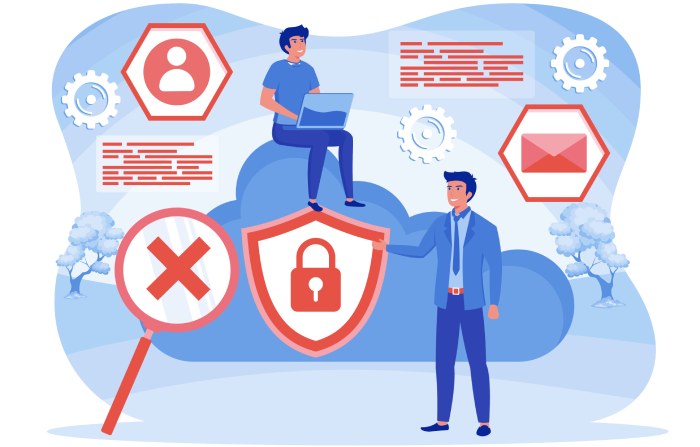
Limiting the blast radius of a zero-day attack is essential. By dividing the network into discrete segments—each with its own tailored access controls—organizations can prevent lateral movement and minimize overall exposure to unknown threats. Effective segmentation practices form the backbone of defense-in-depth, supporting both DDoS protection and real-time quarantine of infected or compromised hosts.
Modern Approaches to Segmentation
- Next-Generation Firewall Deployment: Implementing a next-generation firewall at each network boundary provides robust inspection, application visibility, and user-based policy enforcement. Leveraging managed firewall services or SMB Firewalls ensures that even smaller networks gain advanced segmentation and threat prevention capabilities.
- Least Privilege Access: Adopting least privilege access principles, in concert with zero-trust security models, restricts users and applications to the absolute minimum permissions required. Secure access technologies, such as remote access VPN and SD-WAN, enhance segmentation for remote workers while maintaining high standards of cloud infrastructure security.
Supporting Technologies
Segmentation strategies are enhanced with support from technologies such as CloudGuard (for hybrid environments), mobile security solutions, and cloud virtual WAN offerings that route traffic based on dynamic threat assessments. Integration with XDR and MDR services, such as those provided by global leaders like Cynet or Infinity Global Services, offers automated containment and continuous security posture optimization.
Access Control and Identity Management
In addition to segmentation, granular access controls are fundamental. Governance policies must include robust authentication, risk-based access, and ongoing monitoring of user/device behavior. Unified platforms, supported by technical account management and lifecycle management tools, enable organizations to enforce consistent access policies across all domains—on-premises, cloud, and mobile. When combined with compliance management, these controls help ensure regulatory alignment and rapid adaptation as threat landscapes shift.
By focusing on advanced threat prevention, network segmentation, and proactive threat intelligence sharing, organizations can significantly enhance zero-day attack prevention and safeguard critical assets against the escalating sophistication of today’s cyber adversaries.
Patch Management and Vulnerability Assessment Best Practices
Effective patch management and vulnerability assessment are foundational to defending against zero-day attacks and ensuring comprehensive threat prevention. Organizations must adopt proactive strategies to identify, prioritize, and remediate vulnerabilities before they are exploited.
Establishing a Robust Patch Management Program
A systematic patch management strategy begins with establishing an inventory of all assets across the organization’s network security landscape, including endpoints, servers, IoT devices, and applications. Automated security management platforms such as Infinity Platform or Cynet’s unified platform can streamline asset inventory and patch deployment, reducing manual errors and accelerating response times.
Key Elements of Patch Management
- Prioritization of Vulnerabilities: Utilizing advanced vulnerability prioritization driven by threat intelligence (such as that provided by ThreatCloud from Check Point Software Technologies) enables organizations to address vulnerabilities most likely to be targeted in zero-day attacks.
- Timely Deployment: IT teams should automate patch deployment lifecycles to ensure that security updates for critical systems, application platforms, and cloud infrastructure security environments are rolled out within specified service level agreements (SLAs).
- Safe Remediation: Leveraging safe remediation techniques ensures patches do not inadvertently disrupt operational processes or affect secure access requirements.
Conducting Continuous Vulnerability Assessments
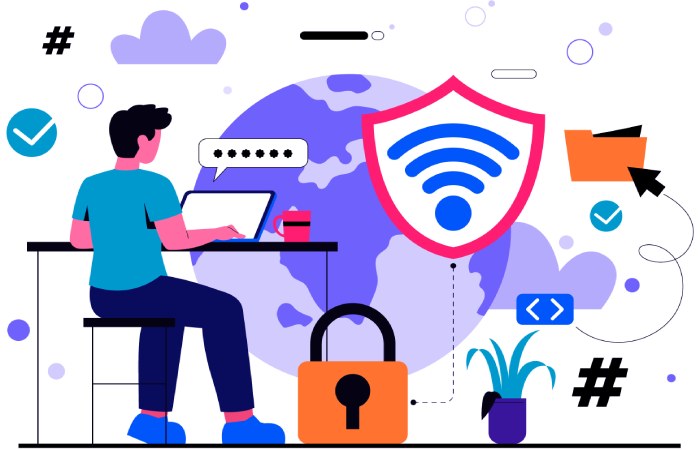
Routine vulnerability assessment is integral for exposure management and attack surface assessment. Solutions with continuous threat exposure management capabilities provide persistent scanning and risk assessment, feeding unified threat intelligence into the broader security operations workflow.
Tools and Methods for Effective Assessment
- Penetration Testing: Simulated attack exercises offer insight into real-world susceptibility and empower companies to reinforce their network security and web application security by identifying exploitable weaknesses.
- Automated Vulnerability Scanners: Integrated into SOC-as-a-Service or managed firewall solutions, these tools provide constant visibility and actionable data to bolster defenses against zero-day attacks.
- Reporting and Compliance Management: Regular cybersecurity reports, delivered through technical account management and platform services, help ensure regulatory compliance and informed decision-making.
Advanced Endpoint Protection and Behavioral Analytics
As threat vectors evolve, endpoint protection must go beyond traditional antivirus to incorporate behavioral analytics and real-time monitoring. Next-generation endpoint protection platforms (EPP) and extended detection and response (XDR) solutions are vital in modern security operations.
Next-Generation Endpoint Protection
Products like Harmony Endpoint by Check Point Software Technologies integrate anti-ransomware, DDoS protection, and zero-day attack prevention, utilizing AI-driven analytics to identify suspicious activities on endpoints. These solutions combine sandboxing, malware detection, and automated response capabilities to contain breaches swiftly.
Capabilities for Robust Endpoint Security
- Behavioral Analytics: Machine learning models detect anomalies in endpoint and user behavior that signal potential zero-day attacks.
- Threat Hunting: Advanced XDR and MDR (Managed Detection and Response) services, such as those offered by Infinity Global Services, allow security teams to proactively seek out post-compromise indicators within endpoint and cloud network security environments.
- Safe Remediation and Automated Response: Unified management frameworks enable safe remediation of threats, decreasing dwell time and improving security posture.
Integrating Endpoint Protection with Other Security Layers
Endpoint protection must converge seamlessly with email protection, API security, and mobile security to guard against multi-vector attacks. Managed detection and response (MDR) solutions provide cross-domain visibility, incident response, and collaboration security for organizations leveraging hybrid and remote access VPN models.
Employee Training and Security Awareness Programs
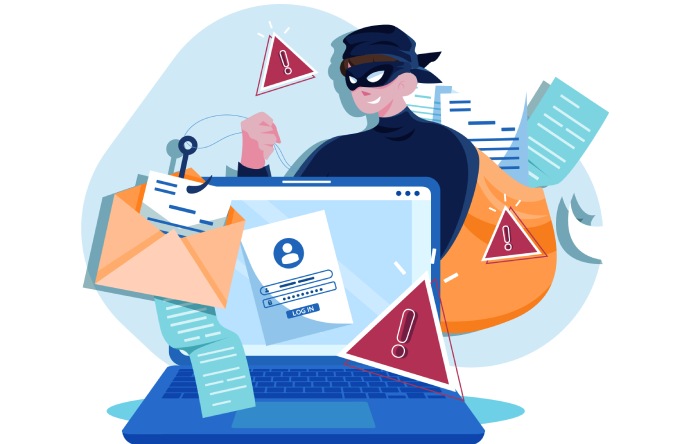
Human error remains a leading cause of breaches, often exploited via zero-day attacks delivered through phishing, malicious emails, and social engineering. Developing robust security awareness and training programs for employees is a critical threat prevention measure.
Building an Effective Security Awareness Training Program
Security awareness programs should be tailored to organizational roles, focusing on real-life scenarios employees may encounter—such as recognizing spear-phishing or unauthorized API usage.
Components of Successful Training
- Simulation Exercises: Simulated phishing attacks help employees recognize malicious emails and reinforce the effectiveness of organizational phishing protection strategies.
- Policy Communication: Clear guidance on least privilege access, IoT security, and collaboration security helps employees internalize key security behaviors.
- Regular Updates: Training programs should evolve in sync with the threat landscape, covering emerging risks such as generative AI security and new ransomware protection methodologies.
Assessing Training Efficacy
Organizations should measure program effectiveness with periodic cybersecurity reports and by tracking incident reduction and compliance management metrics. Enhanced security operations often result when staff are well-versed in fundamental network security and secure access protocols.
Incident Response Planning and Rapid Containment
A comprehensive incident response plan is essential for limiting the impact of zero-day attacks, ensuring safe remediation, and restoring business continuity.
Developing and Testing Incident Response Plans
An optimal plan encompasses clear roles, communication channels, and escalation paths from the initial detection through containment and recovery. Entities like Cyber Hub and AI Copilot Assistant facilitate coordinated response, integration with NOC-as-a-Service, and digital forensics.
Steps in an Effective Incident Response Cycle
- Preparation and Risk Assessment: Regular cyber risk assessment identifies critical assets, required controls, and compliance management benchmarks.
- Detection and Analysis: Next-generation firewalls, managed firewall platforms, and XDR solutions (e.g., Quantum, Maestro Hyperscale) aggregate logs and alerts from across the network, fueling unified threat intelligence for rapid threat identification.
- Containment and Eradication: Automated response and safe remediation protocols enable organizations to quarantine compromised systems and neutralize threats—key in zero-day attack prevention.
- Post-Incident Review: Digital forensics and continuous threat exposure management are conducted to improve the response process and minimize future risk.
Leveraging Managed Detection and Response (MDR)
MDR services such as those provided by Check Point Software Technologies or Cynet play a pivotal role in augmenting in-house security operations, providing around-the-clock monitoring, incident response, and threat intelligence.
Evaluating and Implementing Zero-Trust Architectures
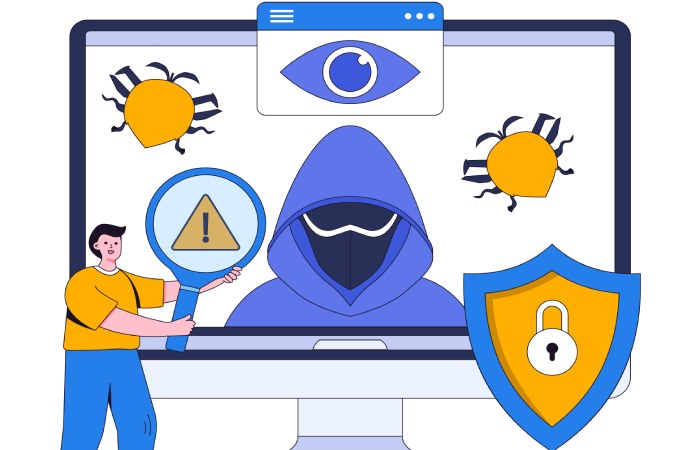
Zero-trust security is a paradigm shift for organizations seeking to elevate their security posture and defend against sophisticated zero-day attacks.
Principles of Zero-Trust Security
Zero-trust security enforces strict least privilege access, assuming that threats exist both inside and outside the corporate perimeter. Every user, device, and application must continuously validate their identity and authorization for secure access.
Building Blocks of a Zero-Trust Approach
- Microsegmentation: Segment network security domains to reduce the lateral movement of attackers.
- Continuous Authentication: Integrate modern identity providers with SASE, SD-WAN, and cloud virtual WAN solutions for always-on authentication.
- Unified Security Management: Employ platforms like CloudGuard and Infinity Platform to orchestrate policy enforcement and policy management across hybrid, cloud, and on-premises environments.
- Comprehensive Visibility: Real-time exposure management and attack surface assessment through unified threat intelligence and security automation.
Zero-Trust Implementation Strategies
- Phased Rollout: Start with critical areas such as web application security, API security, and cloud infrastructure security before expanding across the entire environment.
- Integration of Security Solutions: Leverage next-generation firewall, managed firewall, endpoint protection, and collaboration security services to enforce policies tailored to risk assessment results.
- Ongoing Assessment: Continuous vulnerability assessment, penetration testing, and compliance management are necessary for sustaining a resilient zero-trust architecture.
Key Takeaways
- Proactive patch management, continuous vulnerability assessment, and exposure management are essential for zero-day attack prevention and compliance management.
- Integrating advanced endpoint protection, next-generation firewall technologies, and unified threat intelligence fortifies network security against evolving threats.
- Security awareness and employee training programs play a crucial role in reducing the risk posed by phishing, email security issues, and collaboration security weaknesses.
- Rapid and well-coordinated incident response, supported by managed detection and response (MDR) and digital forensics, is vital for limiting damage from zero-day attacks.
- Adopting a zero-trust security architecture with least privilege access, unified management, and ongoing risk assessment enhances threat prevention and organizational security posture.