

Cold outreach gets a bad reputation. IT administrators flag it as spam. Email security systems block it aggressively. Recipients delete it without reading.
Yet legitimate businesses need to reach prospects. Sales teams must find new customers. Marketers require scalable lead generation. The challenge isn’t whether to do cold outreach. It’s about doing it properly without triggering spam filters, damaging sender reputation, or crossing ethical boundaries.
The difference between effective cold outreach and spam comes down to data quality, compliance, and execution strategy. Done wrong, you waste money and destroy deliverability. Done right, you build predictable pipeline growth.
The Database Dilemma
Buying email databases sounds appealing. One purchase gives you thousands of contacts instantly. You skip the time-consuming work of manually building lists. You start campaigns immediately.
But most purchased databases cause more problems than they solve. Contacts didn’t opt in to hear from you. Email addresses are outdated. Data accuracy is terrible. Your bounce rates spike. Spam complaints multiply. Your sender reputation crashes.

Email security platforms, such as spam filters and phishing protection systems, closely track these signals. High bounce rates flag you as a low-quality sender. Spam complaints get your domain blacklisted. Once damaged, the sender’s reputation takes months to rebuild.
The smarter approach utilizes professional contact databases more effectively. Instead of sending mass email blasts to purchased lists, marketers extract specific contacts that match ideal customer profiles, verify that the information is current, and personalize outreach strategically.
Understanding Legitimate Contact Data
Professional B2B contact databases aggregate publicly available information. They don’t create data through questionable means. They systematically collect, verify, and organize information that is already accessible through business profiles, company websites, and professional networks.
Quality platforms maintain high accuracy through continuous verification and validation. They update when people change jobs. They remove invalid addresses. They provide confidence scores indicating the freshness of the data.
This distinction matters for compliance and deliverability. Legitimate databases help you find the right people to contact. They don’t give you permission to spam those people. Permission still requires proper consent mechanisms and respect for opt-out requests.
Marketers who understand how marketers can work with the database properly achieve dramatically better results than those who treat databases as spam cannon ammunition.
Building Compliant Outreach Campaigns
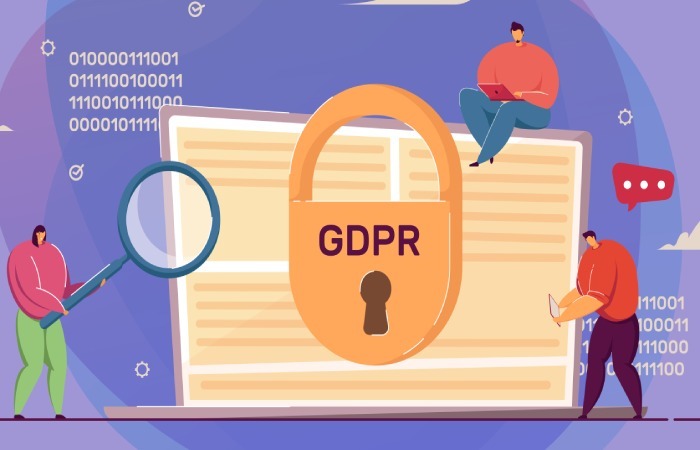
Compliance protects both your reputation and your ability to deliver. Regulations such as CAN-SPAM and GDPR, as well as similar laws worldwide, mandate specific practices for commercial email.
Every message must include accurate sender information. No deceptive subject lines. Working unsubscribe mechanisms that honor requests immediately. Physical mailing address in the footer.
These aren’t optional suggestions. Violations bring substantial fines. More importantly, they damage trust with recipients and email service providers.
Proper consent matters too. While B2B cold outreach has legitimate interest provisions in many jurisdictions, best practices still require clear value propositions and easy opt-out methods. Send to people who actually need what you offer, not everyone in a purchased database.
Email authentication protocols, such as SPF, DKIM, and DMARC, verify that your messages originate from legitimate sources. Implementing these properly signals to email security systems that you’re a trustworthy sender, not a phishing attempt or spam operation.
Protecting Sender Reputation
Email deliverability depends heavily on sender reputation. Internet service providers, email platforms, and security systems track how recipients interact with your messages.
High engagement rates, measured by opens, clicks, and replies, signal high-quality content. Low engagement, especially combined with bounces and spam complaints, flags you as problematic. Once flagged, your messages are automatically filtered into spam folders. Even legitimate emails never reach inboxes.
Protecting reputation requires strategic list management. Never blast entire databases at once. Start with small, highly targeted segments. Monitor bounce rates, spam complaints, and engagement metrics closely to ensure optimal performance.
Warm up new sending domains gradually. Begin with tiny volumes to your most engaged contacts. Increase slowly over weeks. This establishes a positive sending history before scaling.
Remove invalid addresses immediately. Verify contacts before adding them to campaigns. Suppress anyone who unsubscribes or marks messages as spam. Clean lists generate better results than large, dirty lists.
The Role of Automation
Manual cold outreach doesn’t scale. You can’t personally research, write, and send hundreds of unique messages daily. Automation tools handle the repetitive work while maintaining personalization.
Email sequence platforms automatically send timed follow-ups. They track opens, clicks, and replies. They pause sequences when recipients engage. They provide analytics showing what works. They provide analytics showing what works. An AI Summarize API can further streamline outreach by quickly condensing responses and conversation threads, helping teams focus on meaningful engagement.
But automation amplifies both good and bad practices. Automated spam gets filtered faster than manual spam. Automated quality outreach generates results that are impossible to achieve through manual effort.
The key is using automation for efficiency, not volume. Personalize messages meaningfully. Target narrowly. Provide genuine value. Stop sequences when recipients aren’t interested.
Personalization at Scale
Generic messages get deleted. Recipients receive hundreds of pitches weekly. Yours must stand out through relevance.
True personalization goes beyond inserting names and companies. Reference specific challenges their industry faces. Mention recent company news or achievements. Explain why your solution matters to their particular situation.
Use database fields strategically. Filter by company size, technology stack, recent funding, or job role. Craft different message variants for various segments. CEOs care about strategic advantages. Technical buyers want integration details.
Dynamic content blocks adjust messages based on recipient attributes. One template becomes dozens of unique messages. This scales personalization without manual customization.
Measuring What Matters
Vanity metrics mislead. The total number of emails sent means nothing if nobody responds. Open rates don’t matter if conversations don’t follow.
Focus on response rates, meeting bookings, and pipeline generated. These metrics connect outreach directly to business outcomes.
Track delivery rates and spam complaints carefully. These indicate list quality and message relevance. Deliverability problems kill campaigns before recipients even see messages.
A/B test systematically. Try different subject lines, message lengths, and call-to-action phrasing. Small improvements compound across thousands of sends.
Calculate cost per qualified conversation. This reveals whether your investment in databases and tools generates positive ROI.
Distinguishing Outreach from Phishing
Email security systems scan messages for phishing indicators. Legitimate cold outreach can trigger false positives if not handled carefully.
Avoid phishing-like patterns. Don’t create urgency through scare tactics. Don’t ask for sensitive information. Don’t use suspicious links or attachments.
Use your own domain, not free email services. Implement proper authentication protocols. Maintain consistent sending patterns rather than random bursts.
Include clear sender identification. Explain who you are and why you’re reaching out immediately. Provide legitimate contact information. Make unsubscribe options obvious.
These practices both improve deliverability and demonstrate ethical intent. You want recipients to recognize your messages as legitimate business communication, not threats.
Common Mistakes That Destroy Results
Buying random contact lists guarantees failure. These contacts have no connection to your business. They didn’t express interest. They’ll mark you as spam.
Sending identical messages to everyone wastes opportunities. Personalization drives response rates from single digits to double digits or higher.
Ignoring opt-outs violates regulations and ethics. Honor unsubscribe requests immediately. Continuing to contact people who have opted out severely damages one’s reputation.
Neglecting email infrastructure causes deliverability problems. Implement SPF, DKIM, and DMARC properly. Monitor blacklists. Fix issues quickly.
The Sustainable Approach
Successful cold outreach requires treating recipients respectfully. You’re interrupting their day. Your message must justify that interruption through genuine relevance and value.
Use databases to identify the right people to contact, rather than blasting everyone indiscriminately. Verify information is current. Personalize meaningfully. Provide clear value propositions.
Implement proper technical infrastructure. Authenticate messages. Monitor deliverability metrics. Maintain a positive sender reputation.
Follow all applicable regulations. Honor opt-outs immediately. Include required disclosures. Respect privacy.
Test and refine continuously. What works changes as markets, platforms, and recipient expectations evolve. Systematic experimentation beats guesswork.
The Bottom Line
Cold outreach, when done properly, generates predictable pipeline growth. Contact databases accelerate the process of finding the right prospects. Automation tools scale personalized communication. Compliance practices protect deliverability and reputation.
The marketers winning with cold outreach aren’t using sketchy tactics or purchased spam lists. They’re combining quality data, proper infrastructure, strategic personalization, and ethical practices.
Your email security systems are designed to block threats, not legitimate business communications. By following best practices, you ensure that your outreach reaches inboxes while maintaining the trust that makes email a viable option for business communication.
The tools and data exist. The question is whether you’ll use them responsibly to build sustainable growth, or recklessly to burn through your sender reputation and accomplish nothing.